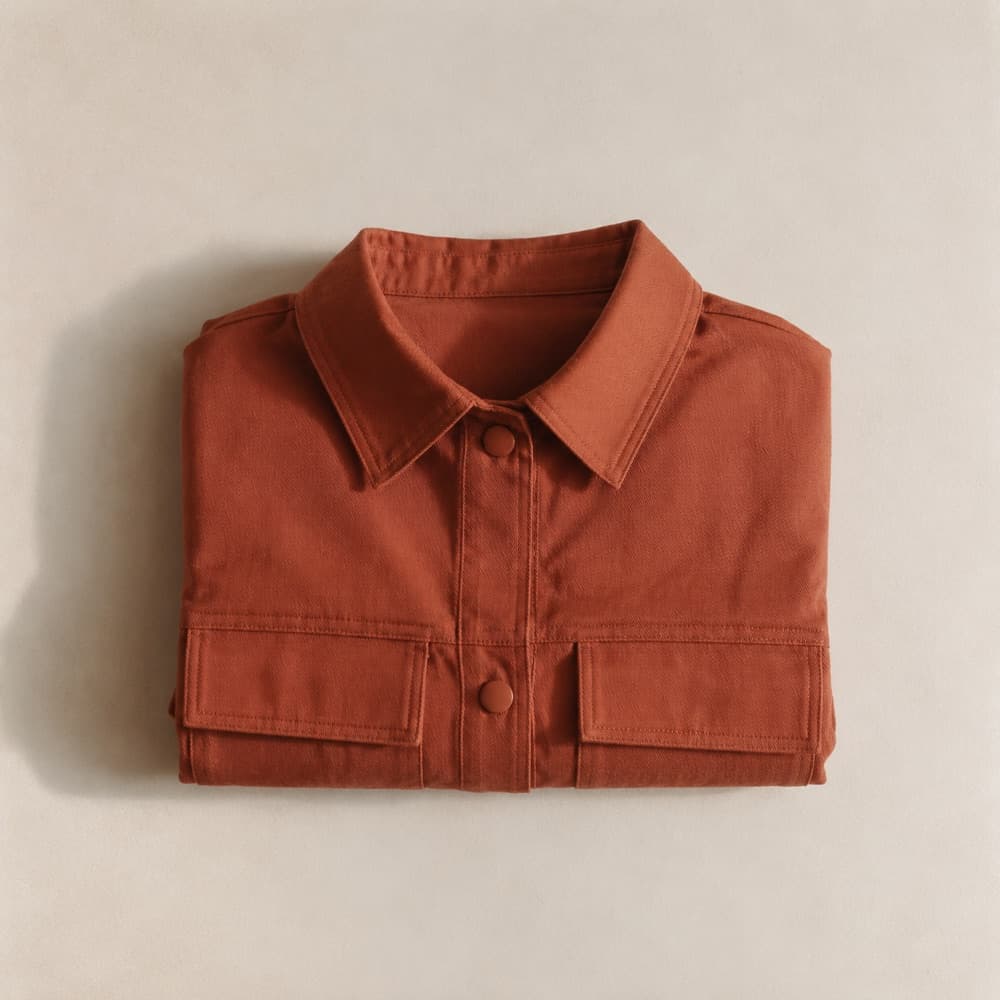
the rust jacket
01 · Outerwear
No account needed — drag the centre
Build a colour record of what you already own. Then photograph anything in a shop and see which of your pieces it works with, which it fights, and whether you already have this colour.
You already own this colour. The sage cardigan is close enough in hue and depth that the two will read as the same piece in a drawer.
What it cannot know
Colours shift between screens, lighting and materials. If it's close, see them side by side in daylight before deciding.
Your screen is not the garment. Every display shifts colour, and this one has not been profiled.
The photograph carries its own cast. Shop lighting, daylight and phone white balance each pull the reading a different way.
Material changes what you see. The same dye reads deeper on wool than on linen, and shinier fabric throws back the light around it.
03 — How it works
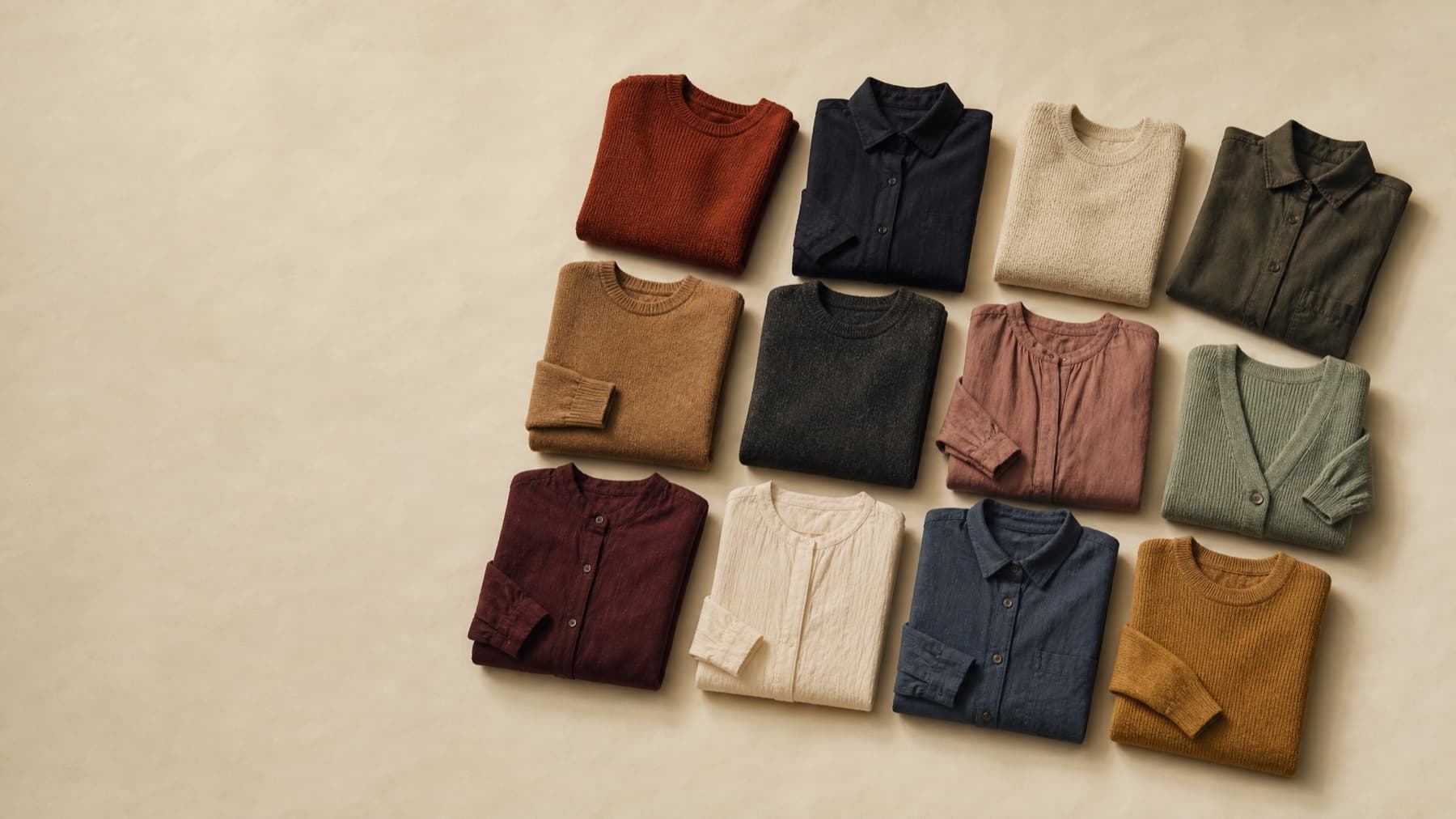
Lay each piece flat and take one picture. The colour is read off the photograph and stored as a position, not as a name. Twelve pieces is a start; forty is a record you can rely on.
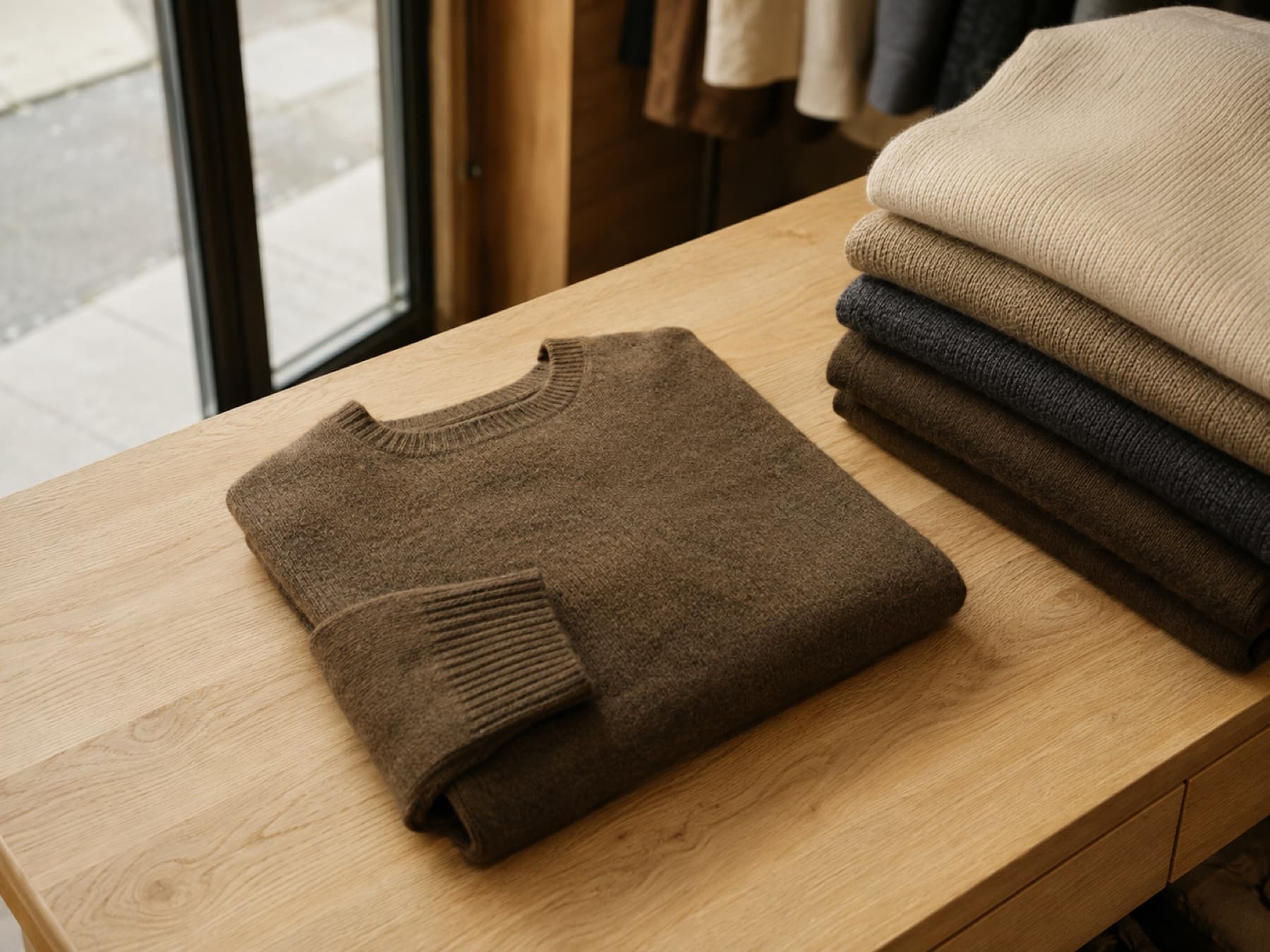
In the shop, one picture of the piece you are holding. It is read the same way and placed against the record you already built. Nothing about you is photographed, and photographs of people are refused.
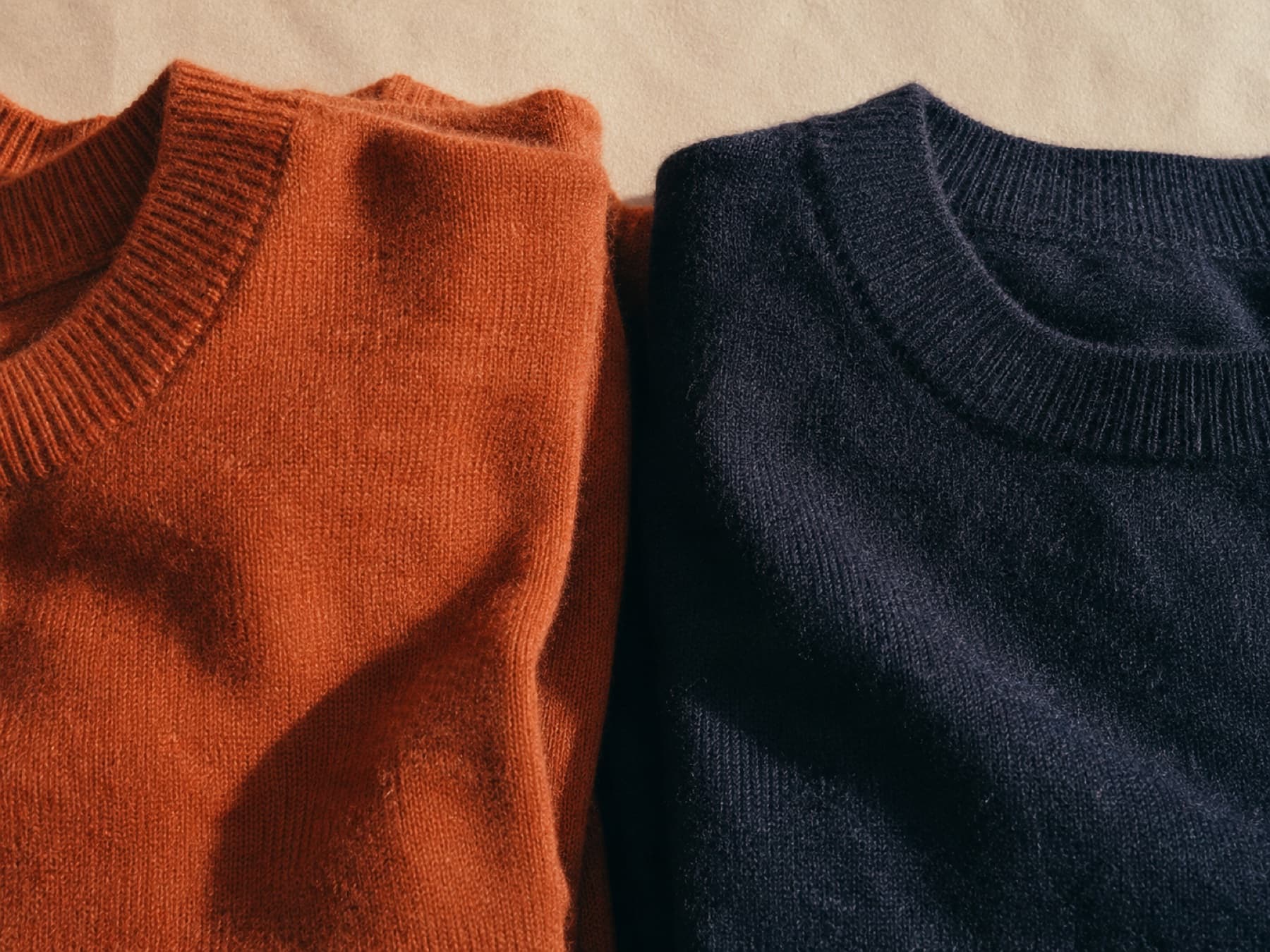
Which of your pieces it sits with. Which it fights. What would have to sit between them. Whether you already own this colour. Every line names a specific piece, because a general answer would be worth nothing.
04 — The repeat
Not the same shade — the same depth. Take the hue away and the pattern shows up immediately: four pieces stacked in one band, and two bands with nothing in them at all.
The empty bands are the useful part. A colour that fights three things in your record often fights them because the piece that would have stood between them is a depth you do not own.
Crowded
mid — three or more pieces sitting at the same depth. Buying another one here adds a piece, not an option.
Missing
very light and near black — nothing on record at these depths. Pieces that fight each other often do so because there is nothing at this depth to stand between them.
05 — The archive
This is the record the ring above was computed from — twelve pieces, each photographed lying flat, each reduced to one colour and a position. Nobody is wearing anything, and nobody ever will be: the tool reads clothes, not people.
12 pieces in this archive.
the rust jacket
01 · Outerwear
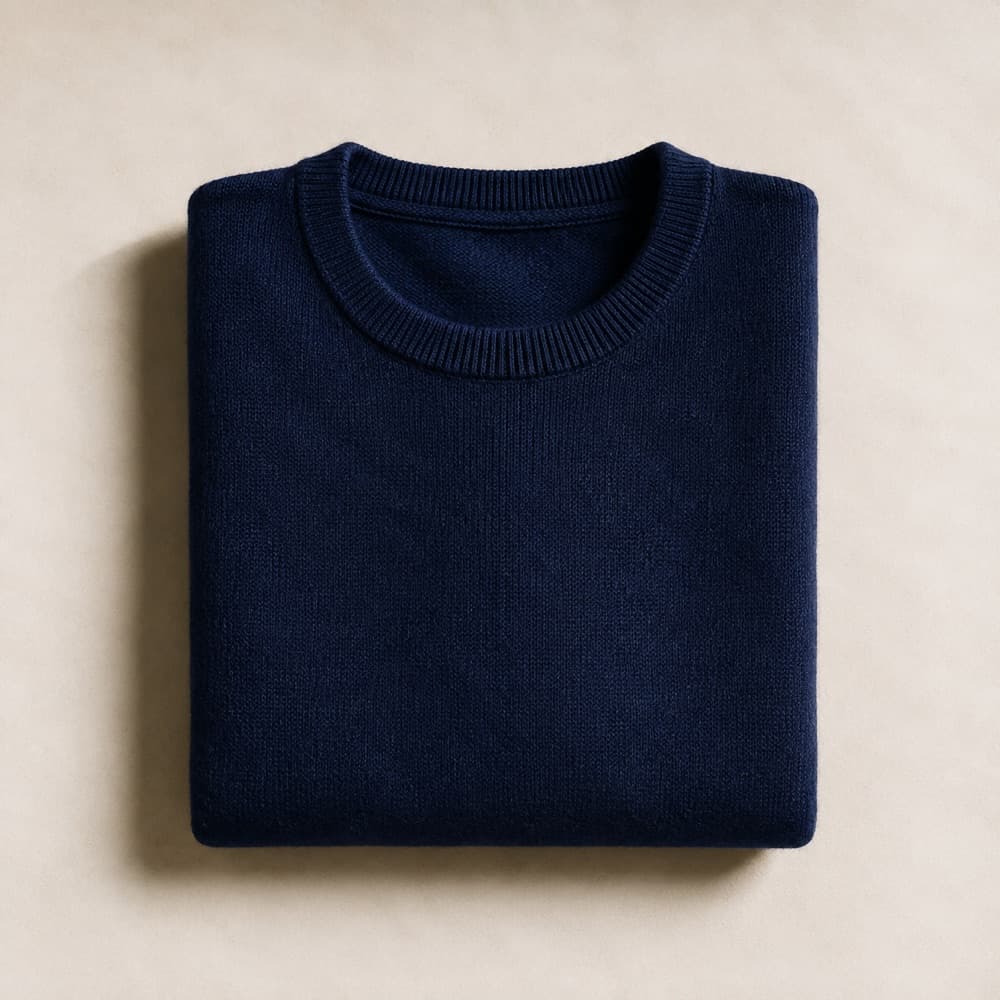
the navy crew
02 · Knitwear
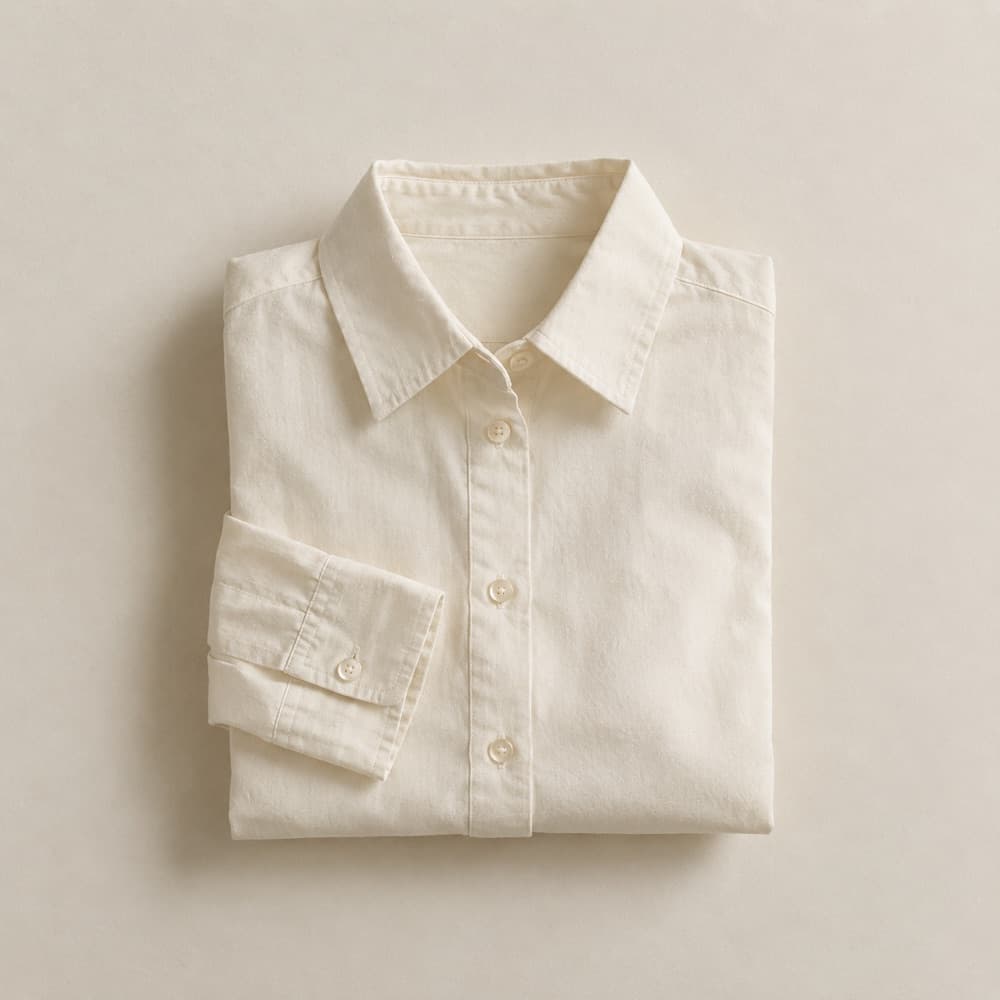
the cream shirt
03 · Shirting
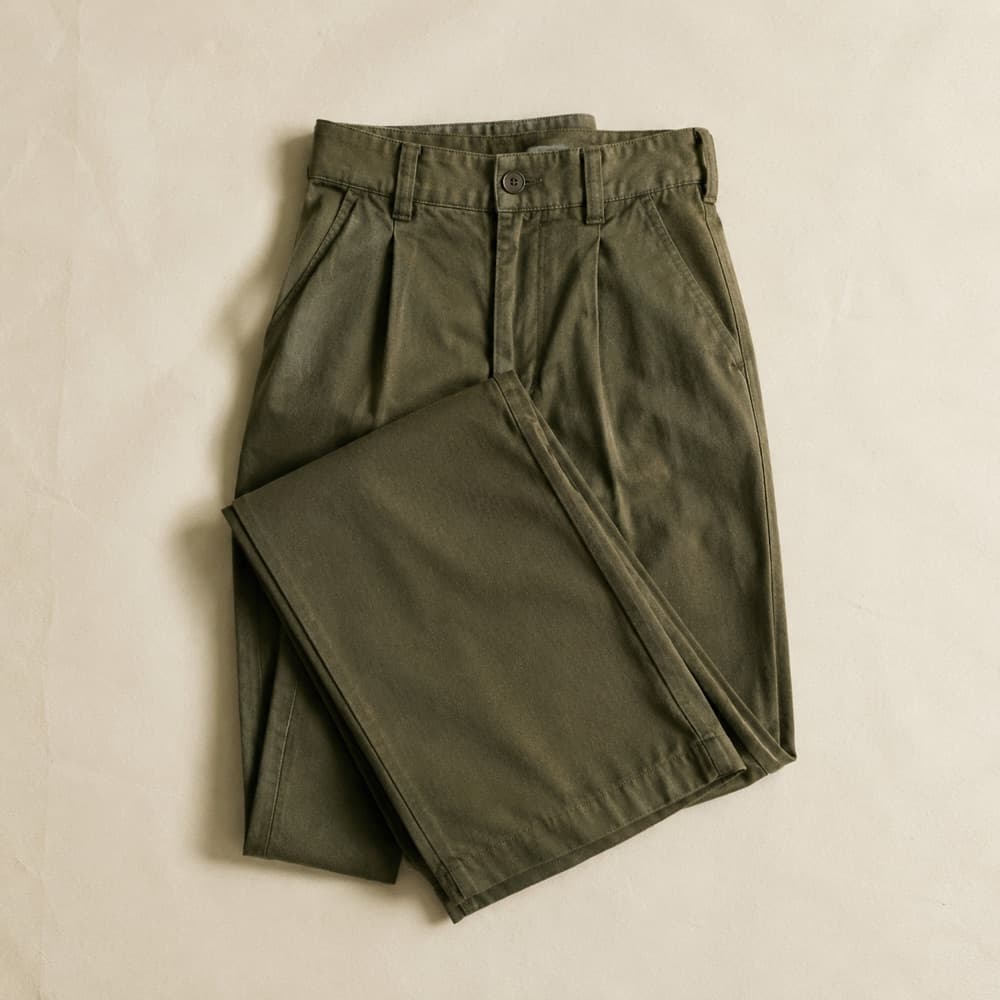
the olive trousers
04 · Trousers
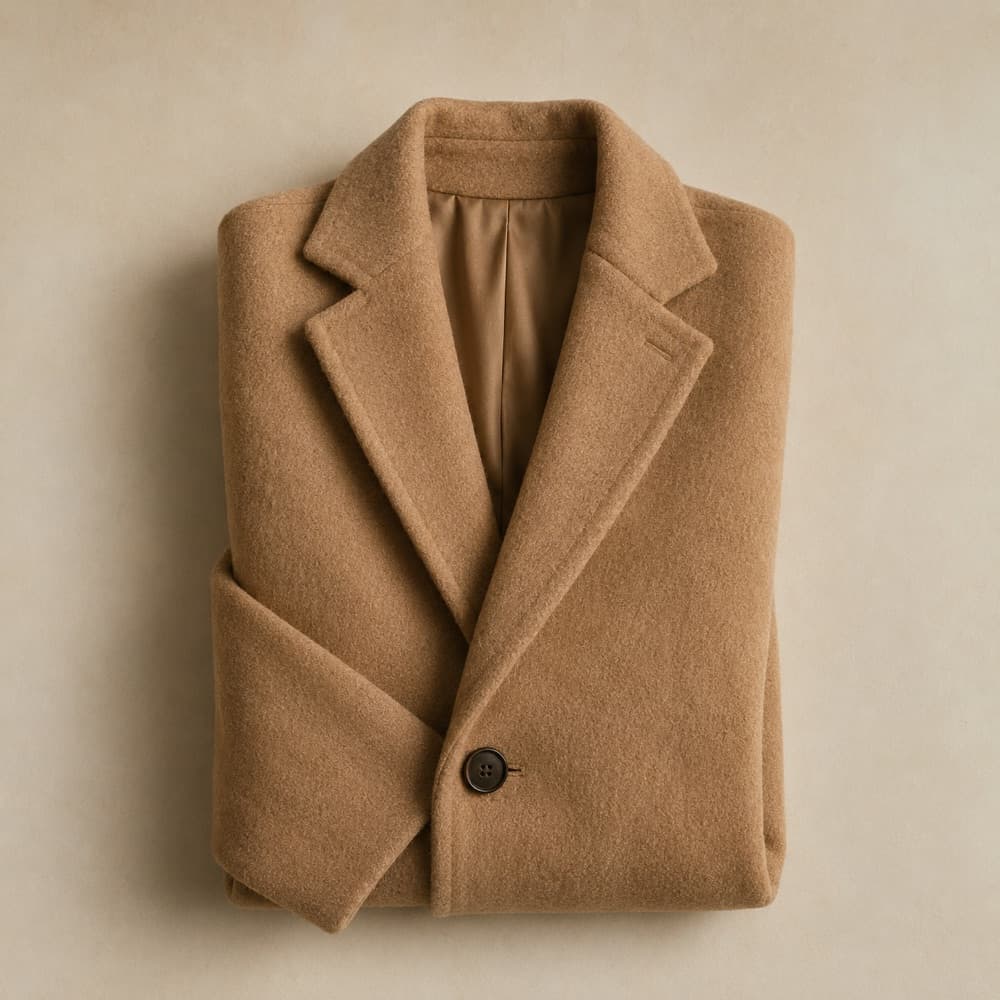
the camel coat
05 · Outerwear
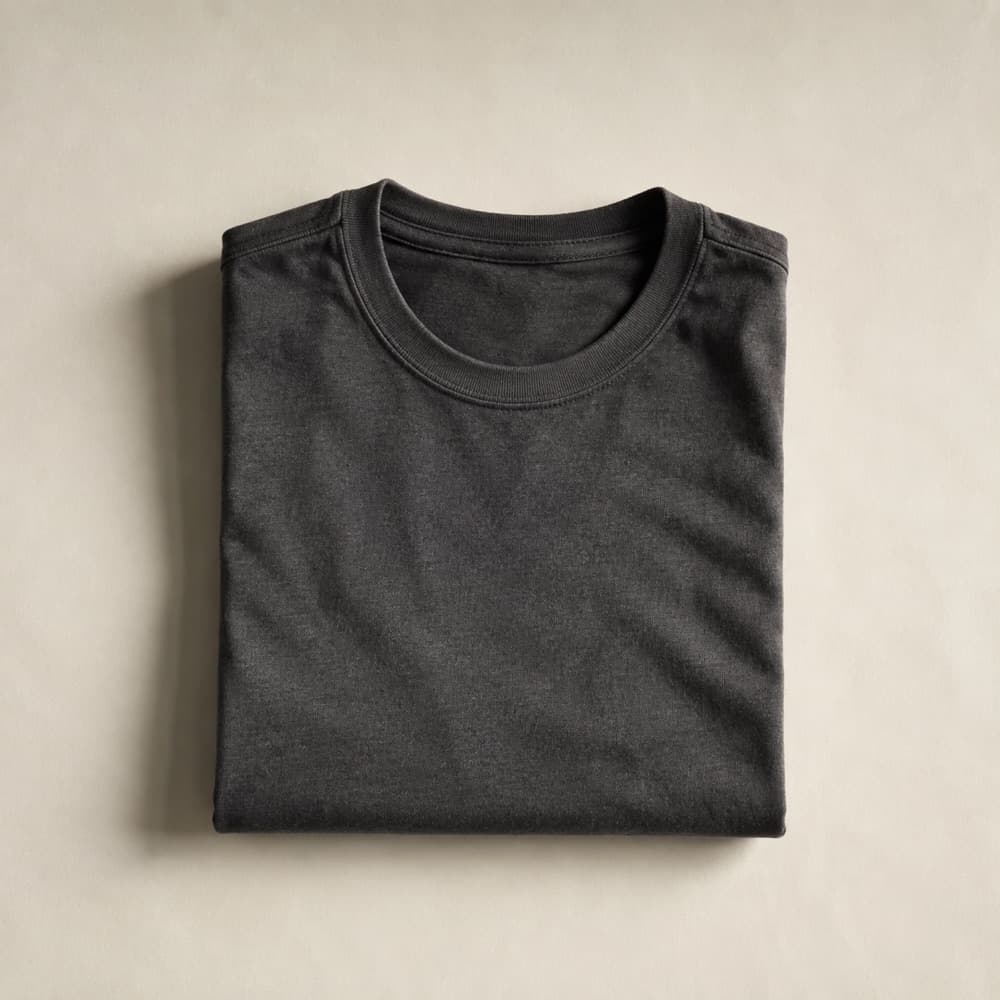
the charcoal tee
06 · Jersey
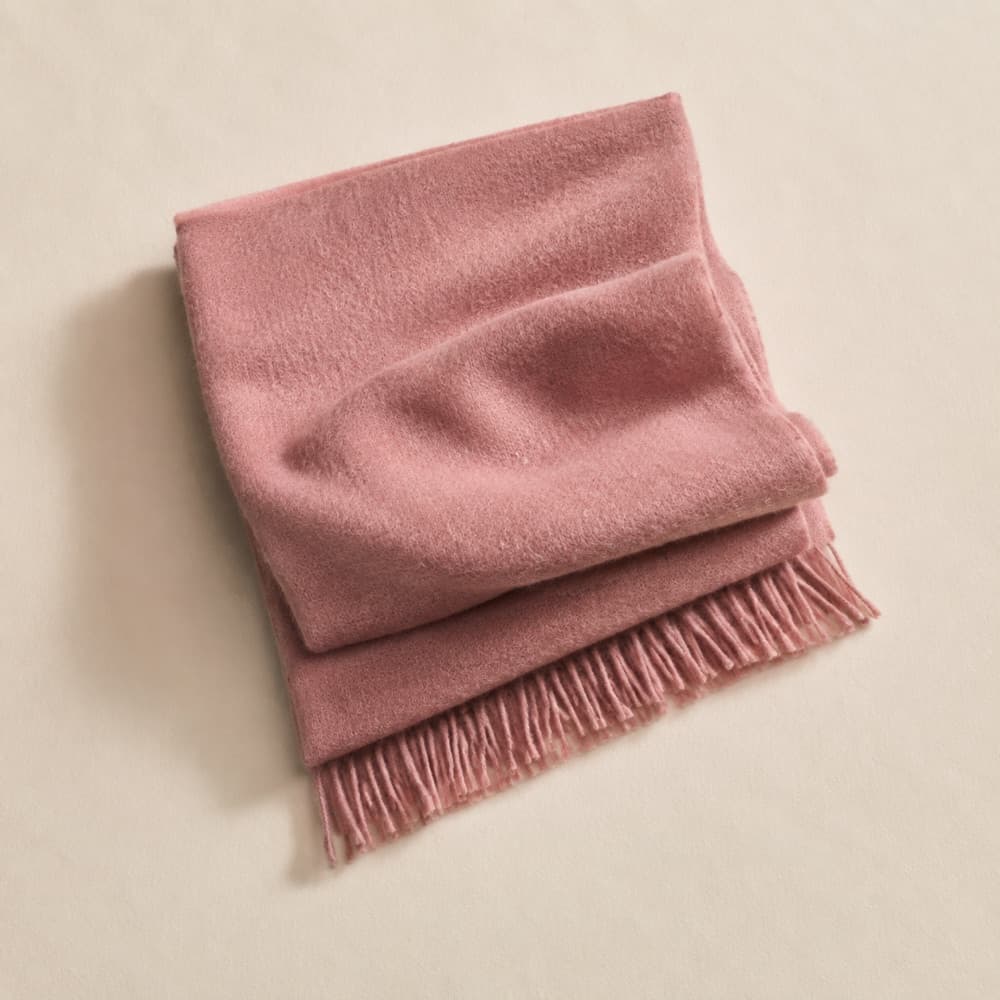
the rose scarf
07 · Accessories
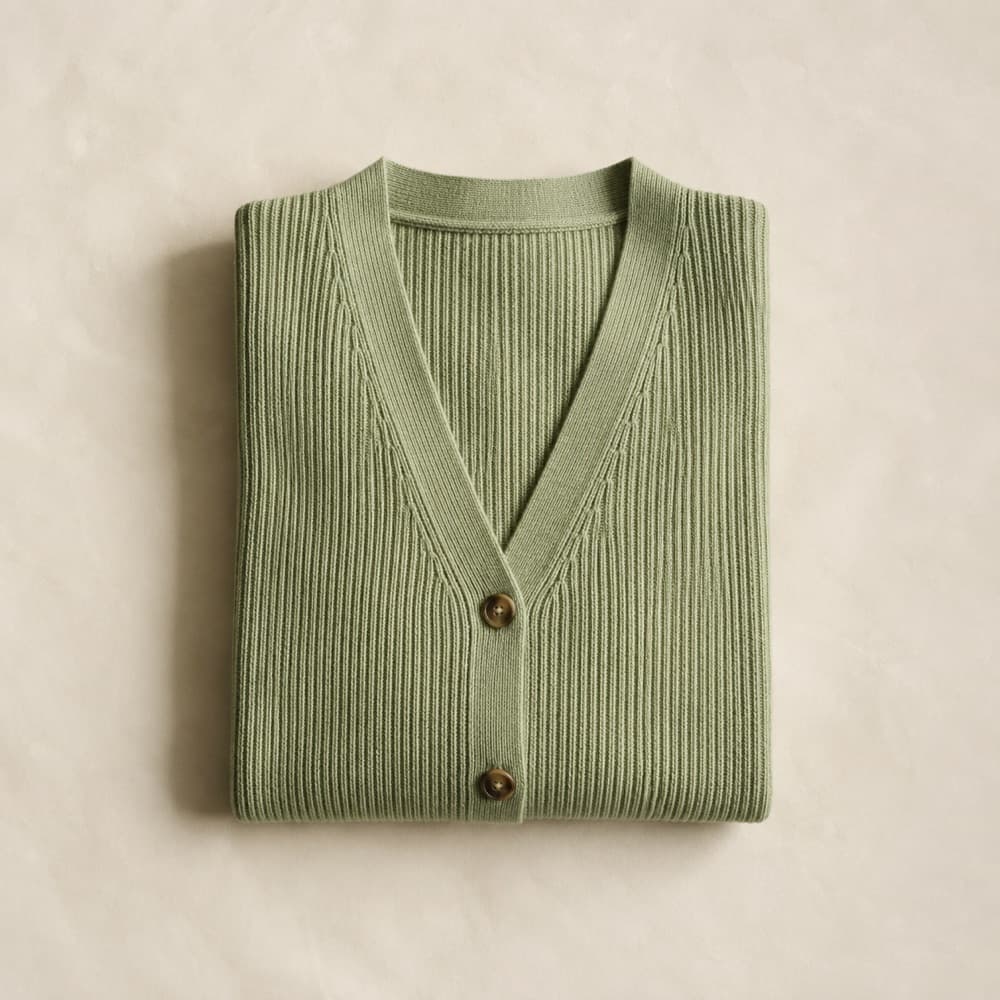
the sage cardigan
08 · Knitwear
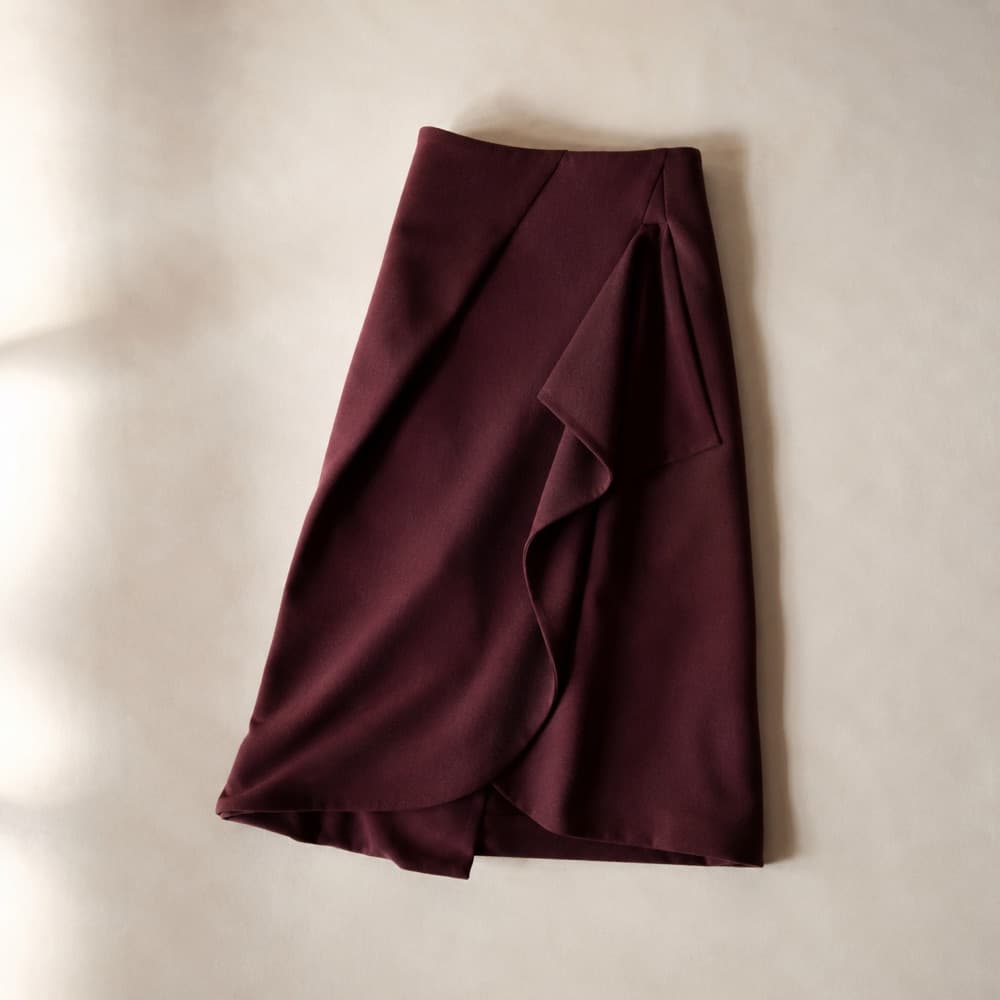
the burgundy skirt
09 · Skirts
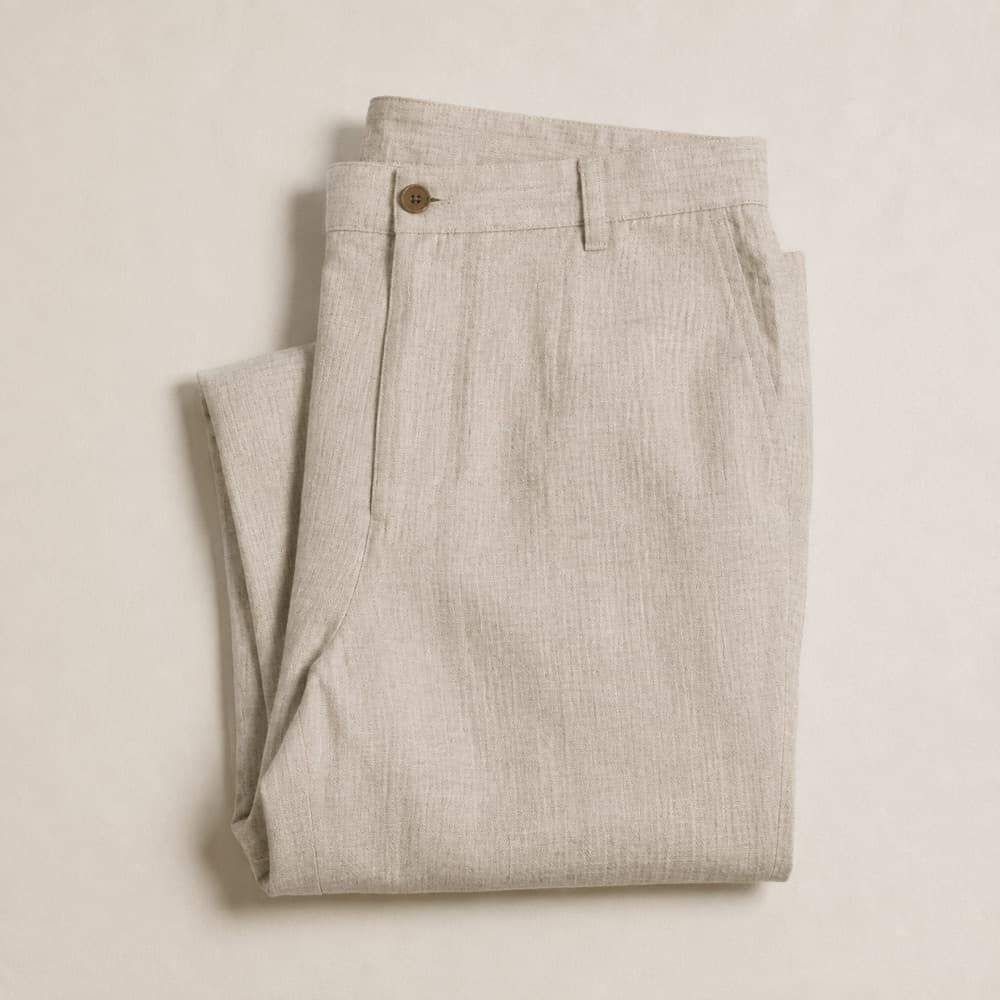
the ecru linen trousers
10 · Trousers
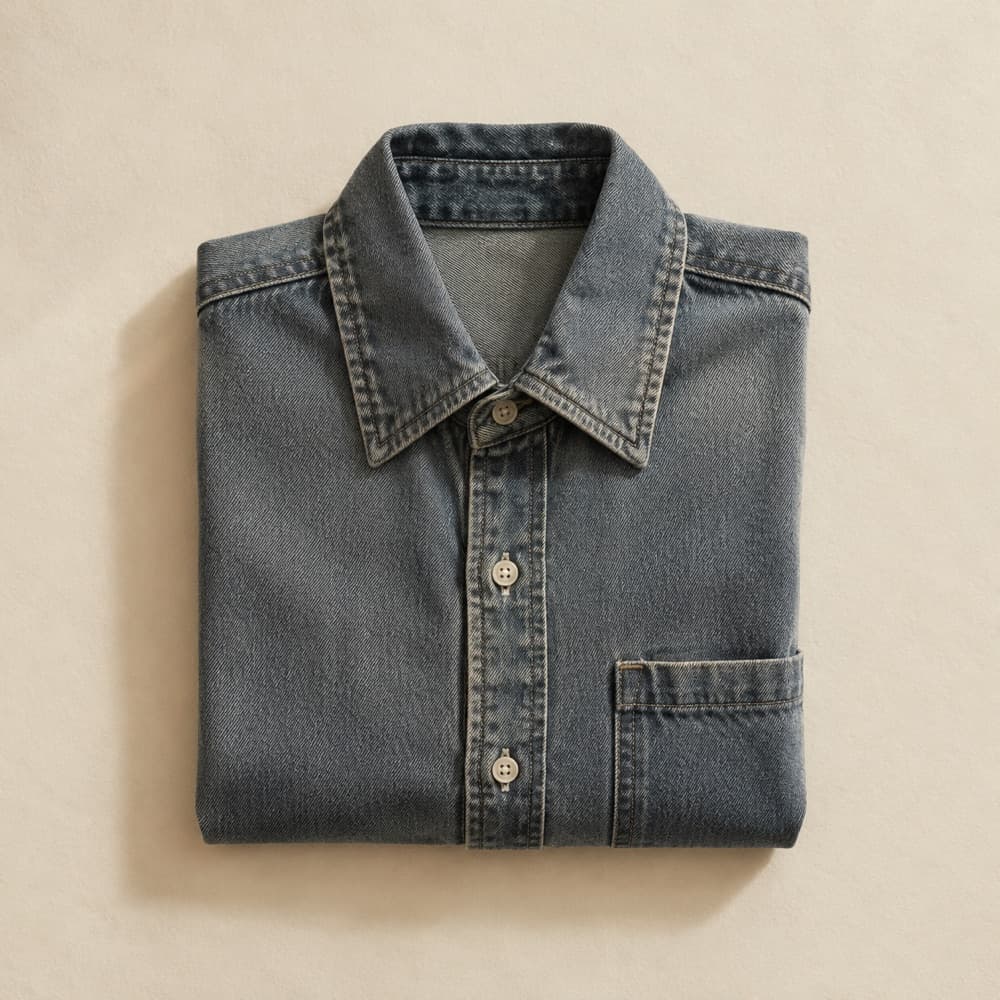
the slate denim shirt
11 · Shirting
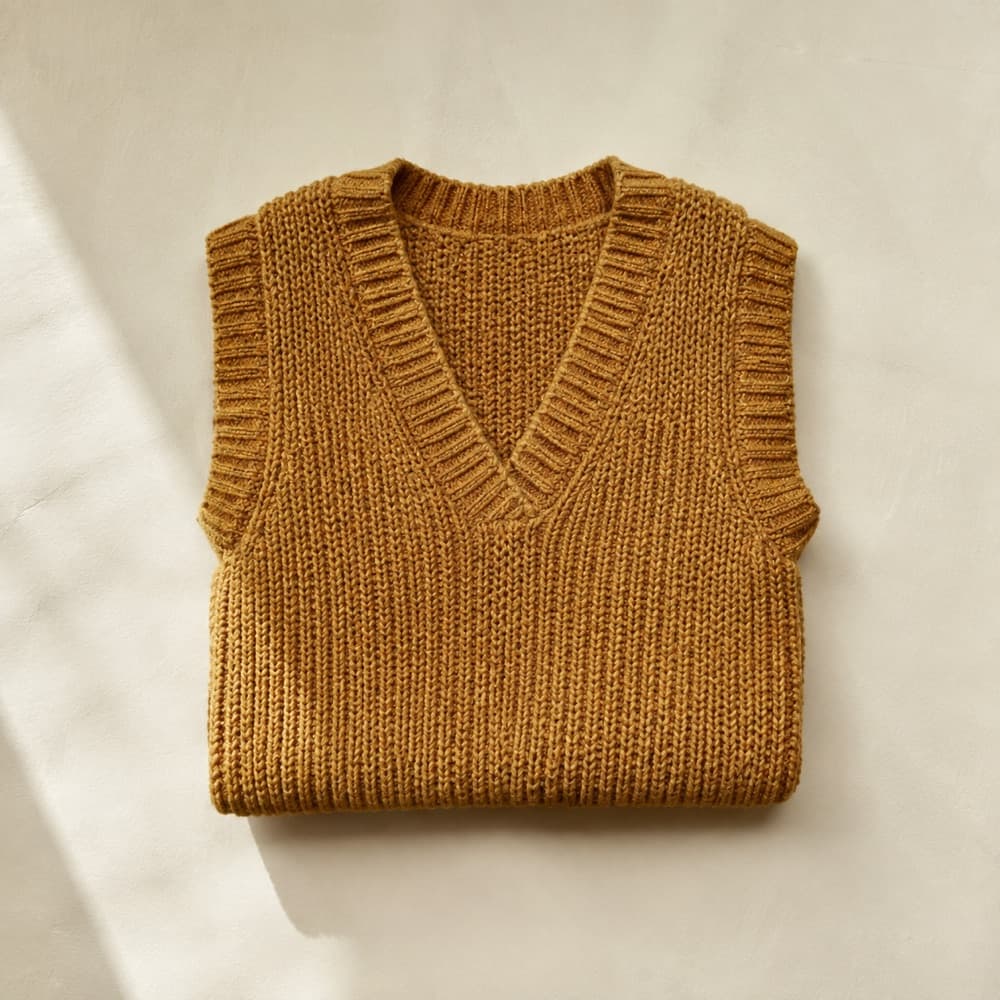
the mustard vest
12 · Knitwear
06 — Price
Twelve pieces is enough to see whether the answers help. It is not enough for them to be right — a short record reports that a colour fights everything, when the truth is that the pieces it would have sat with were never entered. Paid plans lift the ceiling and add the in-shop check, which is the only form of this tool that is any use while you are standing in front of the thing.
$0.00USD / month, all taxes included
Enough to find out whether the answer is any use to you, on an archive small enough that you should not trust it yet.
$8.00USD / month, all taxes included
or $77.00 USD a year, all taxes included
For a real wardrobe, and for the moment you are actually standing in the shop.
$24.00USD / month, all taxes included
or $230.00 USD a year, all taxes included
For more than one wardrobe, or one wardrobe that changes with the season.
Prices are shown in US dollars (USD) and are the amount charged, all taxes included. Subscriptions renew automatically until cancelled, and cancelling takes as few steps as subscribing. There are no credit packs and no top-ups; an unused allowance does not carry into the next month and holds no monetary value.
Full pricing, billing and cancellation terms07 — The boundary
These are not features waiting to be built. They are the shape of the tool: it reads relationships between garments, and everything that would require reading a person is out of scope permanently.
No seasonal type, no warm or cool classification, no verdict on your appearance. It compares garments to garments.
None of it is collected, stored or examined. Photographs containing people are refused at upload, and nothing it produces contains a body.
No exact codes, anywhere. A published value would claim a measurement accuracy that a photograph taken in shop light cannot support.
Whether a colour is current is not a relationship between two garments, so the tool has no opinion about it.
08 — Questions
No. This tool does not analyse people. It reads the relationship between one garment colour and the garment colours already on your record, and that is the whole of what it does.
It assigns no seasonal type, it draws no warm or cool classification of you, and it does not collect or examine skin tone, hair colour or eye colour. Photographs of people are refused at upload.
That is a deliberate boundary rather than a missing feature. Judging a person's appearance means collecting information about their body, and a verdict about two jumpers needs none of it.
No, and no tool can make them so. Your display has its own cast, the photograph was taken under whatever light was available, and the same dye reads deeper on wool than on linen.
So the answer you get is a relationship, not a measurement. No exact colour value is published anywhere in this service, because publishing one would claim an accuracy that does not exist.
When a verdict is close, put the two pieces side by side in daylight before you decide. That instruction appears on every result.
Your record is yours. It is never used to train any model — not the photographs, not the colours read from them, not the verdicts.
Photographs are kept while your account is open so the record stays usable, and are deleted within thirty days of you deleting a piece or closing the account. Deleting the account deletes the archive with it.
No skin tone, hair colour, eye colour or any other biometric information is collected at any point, because none of it is needed to compare two garments.
The verdicts are produced by a model reading colour off photographs and by arithmetic run on your device. Both can be wrong, and a photograph taken in poor light will produce a wrong answer confidently.
Treat it as a second opinion about two objects, never as advice. It is not suitable for, and must not be used for, medical, legal, financial, safety, employment, credit, housing or judicial decisions.
Below eight pieces on record, the tool says so on the result rather than pretending otherwise. A short record makes almost everything look like it fights.
You can cancel at any time from your plan page, in as few steps as it took to subscribe. Cancelling stops the next renewal; the plan stays active until the end of the period you have already paid for.
You have fourteen days to withdraw from a subscription. Because this is a digital service that starts straight away, that right ends early only if you have ticked both of the separate, unticked boxes at checkout: one asking for the service to begin immediately, and one acknowledging that doing so ends the withdrawal right once the service has been fully performed.
If you did not tick both, the fourteen days run as normal. The full procedure and a standard withdrawal form are on the withdrawal page.
Credits are a monthly allowance for using the service. They are not money, they hold no monetary value, they cannot be redeemed for cash and they cannot be transferred to anyone.
There are no credit packs and no top-ups. Nothing carries over: each month's allowance resets, and an unused balance is not banked.
If you run out before the month ends, you either wait for the reset or move up a plan. Reading a colour costs one credit per piece while you are building the record, two for a new piece in a shop, one for a question, and five for a relationship ring with comparison cards.
Because twelve pieces is enough to see whether the answers are useful, and not enough for the answers to be right.
A short record produces misleading verdicts in one specific direction: it reports that a colour fights everything, when the truth is that the pieces it would have sat with were never entered. The tool warns you about this below eight pieces, and the warning is never covered by the free plan's watermark.
The paid plans lift the ceiling entirely and add the in-shop quick check, which is the form the tool takes when you are actually standing in front of the thing.
Yes. Accounts are for people aged 16 and over. The service is not directed at children, and no account is knowingly opened for anyone below that age.
If you believe an account has been opened by someone under 16, write to the support address and it will be closed and its archive deleted.
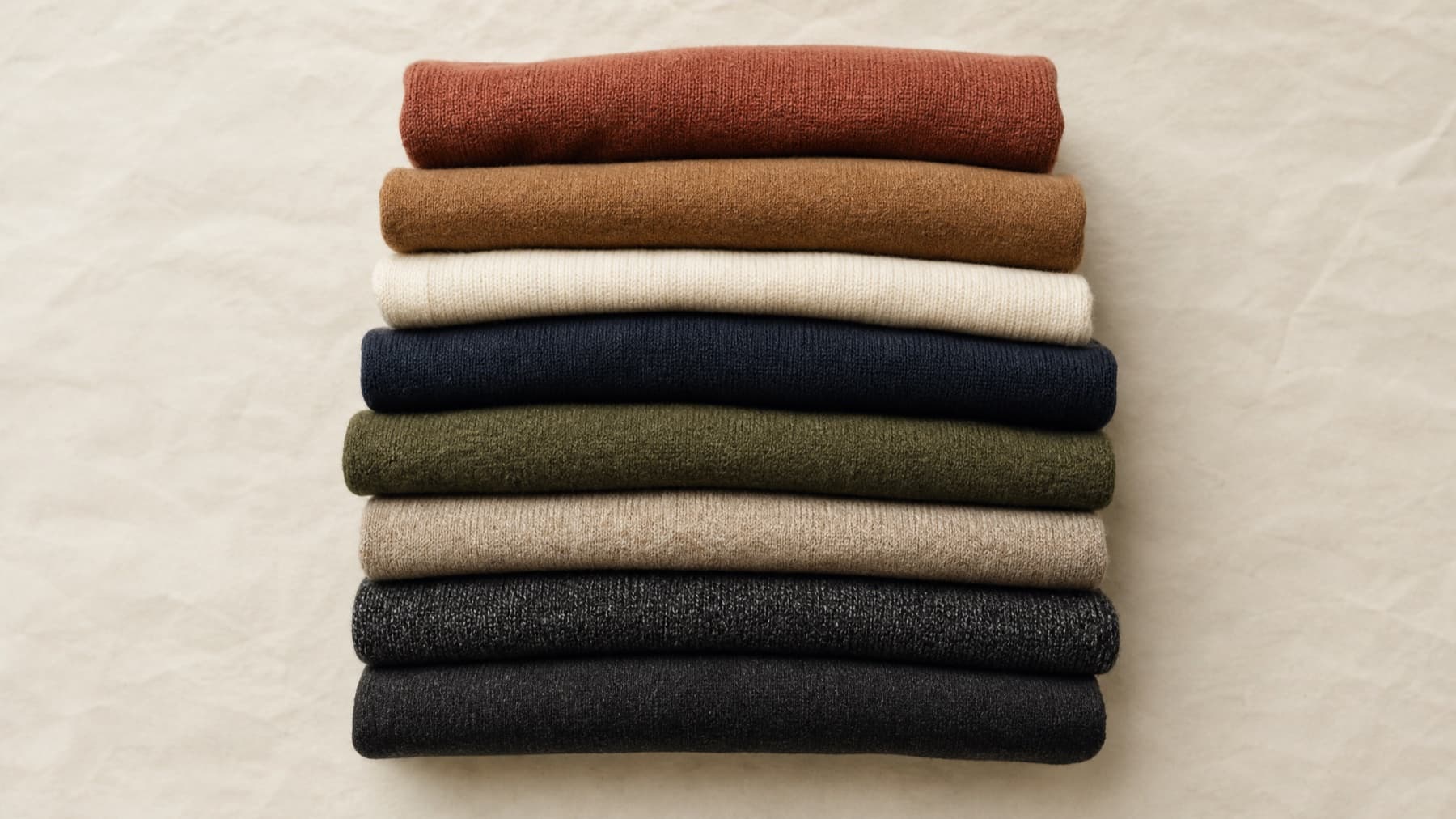
Photograph what you own. The next time you are holding something you are not sure about, you will have an answer that names the pieces it sits with — instead of an impression you cannot check.
Free plan, 12 pieces, no card required